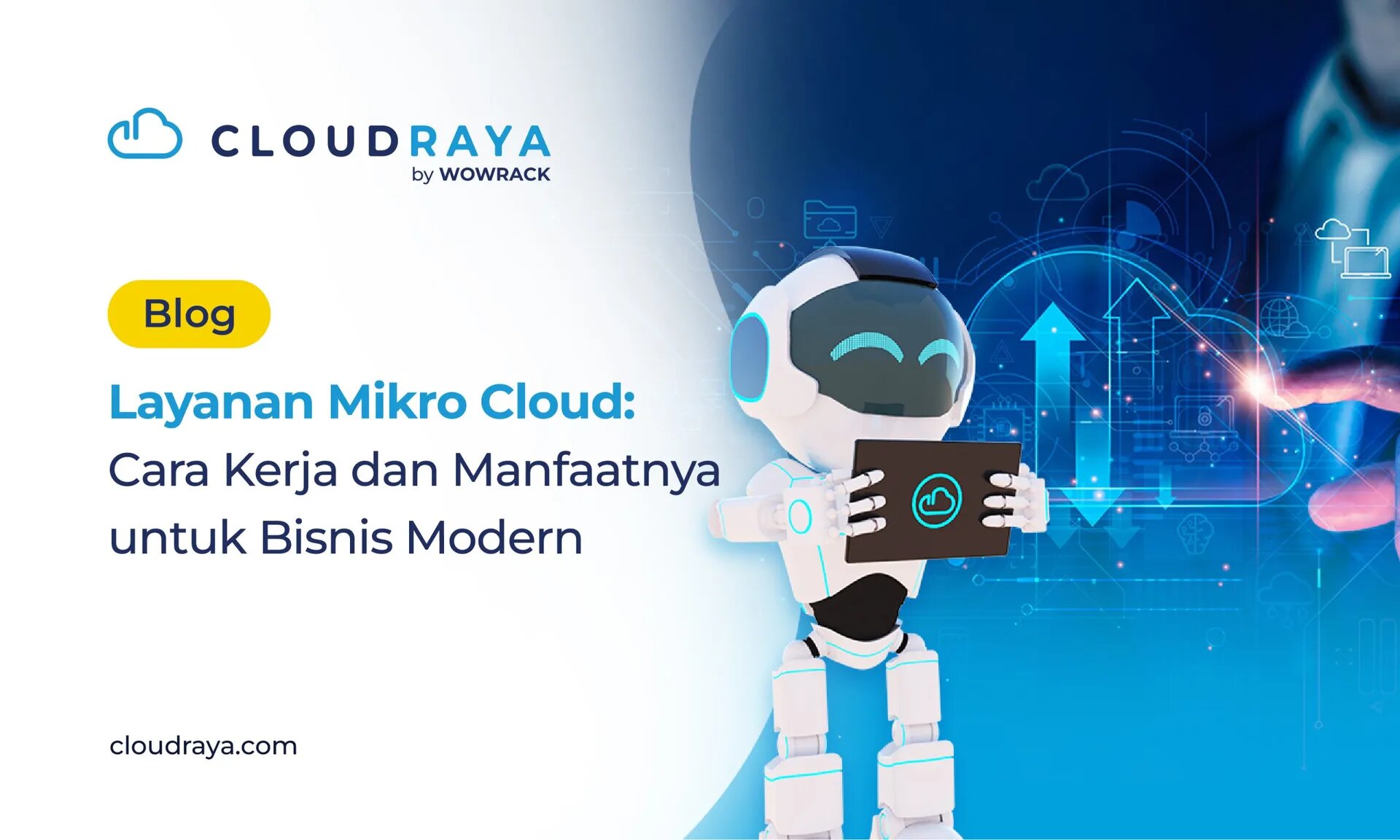
In the fast-paced digital world, businesses need cloud solutions that are responsive and efficient. One cloud solution you need to know about is micro cloud. Micro clouds offer flexibility, speed and efficiency, which can improve the performance of your applications. But what is a micro cloud and how does it work? Check out the explanation in this article.
Definition of Cloud Microservices
Micro cloud is a small-scale, lightweight cloud infrastructure that offers responsiveness, flexibility and efficiency. Micro cloud services have lighter resources, making them more flexible and easy to deploy anywhere. That way, you can present data at many points of the region, provide faster data access and improve the best experience for your application users.
How Micro Cloud differs from Traditional Cloud
The term traditional cloud refers to cloud services in general that are based on large data centers. Traditional clouds usually have responsiveness constraints due to the distance between the data center and the user. Meanwhile, micro clouds have a lighter and more distributed infrastructure, bringing data closer to the user for optimal application performance.
How Cloud Microservices Work
How do microcloud services work?
Micro cloud works by distributing data stored in the main data center to various smaller locations such as mini data centers and edge servers. edge servers (servers located close to end-user). Micro cloud allows applications to run directly at edge locations without having to always access the main data center. Then, data processed at edge locations can be sent back to the main cloud for storage or further analysis. By reducing traffic to the main data center, micro cloud can optimize application speed.
What Technologies are Used in Micro Cloud
Micro cloud uses several technologies to support its operations. Some of these technologies include virtualization and containerization.
1. Virtualization
Virtualization technology helps micro clouds to run many virtual machines (VMs) simultaneously, so that resources can be used more efficiently. The virtualization technology in question is a hypervisor (such as VMware, KVM, or Hyper-V). With a hypervisor, one server can be divided into several VMs, each of which can run applications or cloud services.
2. Containerization
Containerization technologies utilized by micro clouds such as Docker, Kubernetes, and so on. Containerization allows the micro cloud to package the applications stored in it in a lightweight container and has loaded various Resources that are required. That way, applications can run anywhere more optimally without requiring a separate OS like in VMs.
Micro Cloud Service Implementation Process
The process of implementing a cloud microservice has several steps. If you are interested in using it for your application, consider the following steps:
1. Breaking the Infrastructure into Small Services
To be able to run a micro cloud, you need to break down cloud infrastructure and resources into smaller components that can be managed separately. An example is to use containerization technology. With containerization, you can break components across multiple nodes, small servers to run applications. In addition, you can also utilize storage nodes for storage, and networking nodes to manage traffic.
2. Communication Between API Service and Virtual Networking
Because the concept of micro cloud is a small cloud service that can be widely distributed. It requires mature communication between components in it such as APIs and also Virtual Networking, to ensure applications run efficiently and smoothly. You can utilize several services such as API Gateway to manage communication between micro cloud services and applications, service mesh to manage communication within the application. cluster micro cloud, and also VPN and SD-WAN to connect the micro cloud with the data center.
Benefits of Micro Cloud for Business
With its concept of optimizing application data access speed, of course, micro cloud also has various other advantages for a business. The advantages or benefits of micro cloud that you need to know include:
1. Easy Scalability
Micro cloud makes it easy to add resources as you need them. You can scale resources vertically by adding nodes, or horizontally by increasing node capacity.
2. More Cost-Effective
With a micro cloud, you don't need to buy infrastructure and manage it yourself. That way, you can save a lot on costs such as server procurement and maintenance. In addition, micro cloud also allows you to pay only for what you use, making it perfect for growing businesses.
3. Accelerate Innovation
Micro cloud supports the acceleration of business innovation. How? Micro clouds that use technologies such as separate VMs or separately managed containerization, allow you to develop and test new applications without worrying about disrupting other parts.
Who Needs Micro Cloud?
Anyone who needs the cloud to improve the responsiveness of their applications can take advantage of micro clouds. However, there are some cloud users who will be very suitable to use this micro cloud service.
1. MSME
MSMEs (Micro, Small and Medium Enterprises), including technology startups require cloud services with high scalability and affordable prices. Micro cloud offers users the convenience to scale resources, and supports accelerated application development at an affordable cost. That way, they can focus on innovating to develop their applications without worrying about costs.
2. Large Company
Large enterprises with complex IT infrastructure spread across multiple locations can utilize micro clouds to manage their resources more efficiently. By dividing infrastructure into small services, companies can optimize resource usage, increase development speed, and improve security management.
3. App Developer
For application developers, microclouds offer convenience in managing and developing applications based on microservices. Cloud microservices help developers make updates faster, as well as manage applications more flexibly to minimize disruption to the overall system.
Conclusion
From the explanation of micro cloud above, it can be concluded that micro cloud is a cloud service that can distribute applications to smaller infrastructure. This service uses several technologies such as virtualization and containerization, which allow for a smooth distribution process and easy management. With the benefits offered, micro cloud is suitable for use by anyone from application developers, MSMEs including technology startups, to large companies.
Cloud Microservices at CloudRaya
CloudRaya is a public cloud service provider that offers security, accessibility, flexibility, and efficiency. Although CloudRaya does not provide micro cloud services specifically, you can take advantage of CloudRaya features such as VM (Virtual Machine) and also KubeRaya to have a cloud with a work concept similar to a micro cloud. For more detailed information, you can explore our website and social media, or directly discuss with the team via live chat.